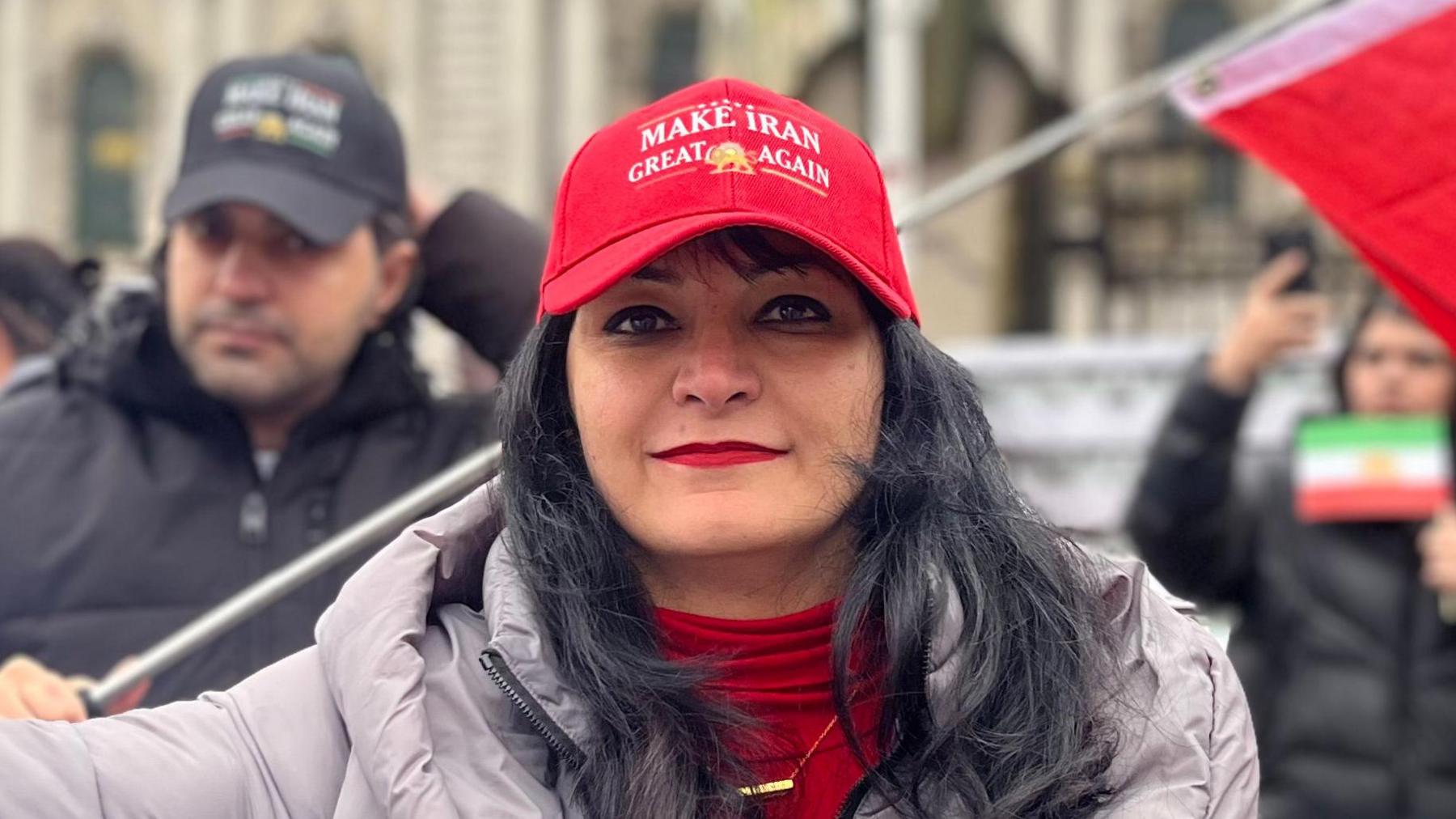
In early January 2026, anti-government protests intensified in over 100 cities across Iran. Demonstrators came out to the streets to express their anger over economic hardship and political repression. In recent years, many Iranians have struggled with rising inflation, high unemployment, and the effects of international sanctions, which have made basic goods more expensive and limited economic growth. At the same time, many citizens expressed their concerns about restricted freedoms and a lack of political representation. As protests grew, authorities responded harshly with force. Foreign media and human rights organizations, such as Amnesty International and the UN Human Rights Office, reported that many civilians were killed or injured during the violent crackdown, which included the use of ammunition.
Unlike many democracies, Iran’s political system places ultimate authority in unselected religious leadership. While citizens vote in presidential and parliamentary elections, key institutions, such as the Guardian Council, can limit who is allowed to run for office and which laws can take effect. This system makes any large reform to be made even when the majority of the Iranian population is dissatisfied. As a result, many protesters argue that their votes cannot bring meaningful change and therefore, they believe that they have to demand accountability through public demonstrations.
During one of the recent protests, government forces shot a 23-year-old college student named Rubina Aminian in the head and killed her on the spot. When Rubina’s family went to nearby hospitals and morgues to identify her body, they saw hundreds of corpses lined up. Most were identified as young protestors, and many had gunshot wounds to the head and neck. When her family attempted to take her body, local intelligence authorities surrounded them and blocked funeral preparations. As a result, the family was forced to bury her body by the roadside near the hospital.
After Rubina’s death, the Norway-based human rights organization Iran Human Rights (IHR) released a detailed report on Rubina’s death along with the causes of death of victims and eyewitness accounts from the scene. The report concluded that the incident was closer to a massacre than a simple security operation.
The protests also revealed how citizens’ right to information is violated in Iran. Authorities shut down internet access in many areas, so protesters faced a greater challenge when communicating or sharing information with one another. Even so, videos and eyewitness accounts continued to appear online and garnered international attention to the situation. Amnesty International called for an independent investigation into the killings, while officials at the United Nations urged Iranian authorities to respect international human rights laws. Human rights groups and global leaders viewed it seriously and called for investigations.
Stories like Rubina’s should not be dismissed as distant tragedies. No government should treat peaceful protesters as enemies or criminals. Iranian protestors are claiming and exercising their rights to express their voices and attempts to protect their fundamental human rights.