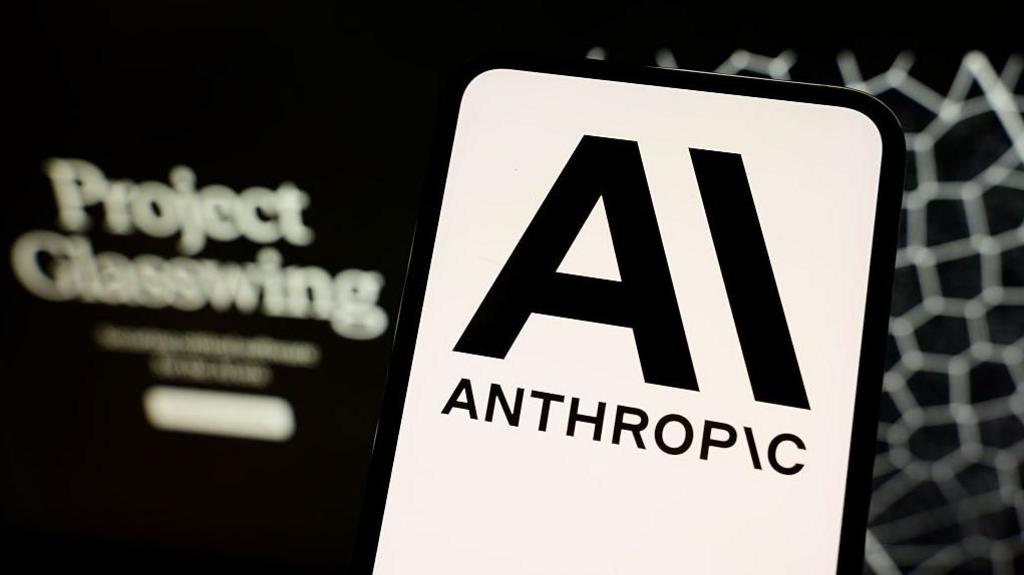
On April 7, 2026, Anthropic, an American artificial intelligence company that launched Claude, announced that a new AI model called Mythos would not be available to the public. Instead, they launched “Project Glasswing,” whose 12 founder members include Amazon Web Services, Apple, Microsoft, and NVIDIA to strictly control access to Mythos.
The reason Anthropic chose not to release the newly developed model is because Mythos works too well. At first, it seems weird not to use a great model since we use Large Language Models (LLM) like ChatGPT and Claude every day and a better model makes our lives easier and more efficient. However, on the Anthropic website, it is stated that Mythos’ performance surpassed “all but the most skilled humans at finding and exploiting software vulnerabilities.” They mentioned that Mythos has already detected thousands of high-severity vulnerabilities including some in major operating systems and web browsers. Dario Amodei, the leader of Anthropic, thought that releasing Mythos would be too dangerous because users can easily exploit the vulnerabilities to infiltrate major web servers. Instead, he only gave access to 50 big firms in computing, software, and finance to use it first for their own defences.
Cybersecurity remains the foremost challenge that mankind faces in this world where AI defines who gets the benefit and who does not. Massive amounts of data are becoming available easily, and personal information is getting less and less protected as LLMs scrap large amounts of data from open databases. This newly developed Mythos, if available to the general public, will allow anyone to easily hack major websites, and personal information will no longer be protected. Bank accounts will no longer hold value as financial data can be easily manipulated by outside parties, and the world might fall under chaos. It will transform the way we live, work, and interact.
This poses questions on the direction of future AI usage. As AIs have been developed at a fast pace, we had less time to contemplate on the ethical side of it. From the beginning of its development, debates on who gets the rights on AI-generated content were ardent as the models train on already existing data. Similarly, the question moves on to who will have access to those highly-accurate models like Mythos. How are we going to define which firms or stakeholders are safe enough to manage Mythos that enables us to spot and exploit high-severity vulnerabilities? As technology advances, there are increasing needs for ethical guidelines on AI usage, access, and management.
However, the extent to which vulnerability detection performance of Mythos is extremely revolutionary is uncertain as the model presents limited access. In March, Anthropic announced that the pre-Mythos version, Claude AI, had already detected nearly a fifth of severe bugs fixed in FireFox in 2025. Taking this into account, currently released AI models already seem to perform well on detecting vulnerabilities in websites, which poses challenges in protecting security of websites.
To sum everything up, AI technologies that are being advanced in real-time have two sides. While it gives a glimpse of a promising future, it also highlights the urgent need of safety measures. In the near future, we would need protective measures to ensure safe usage.